
In 2025, small and mid-sized businesses (SMBs) face an unprecedented wave of cyber threats. Many SMB owners mistakenly believe they are “too small” to attract hackers, but the data shows otherwise – nearly half of all cyberattacks target small businesses, and 60% of SMBs that suffer a major breach go out of business within six months. Cyber criminals are actually intensifying their focus on smaller companies, knowing that budgets and defenses are often weaker. From AI-enhanced phishing emails to ransomware kits sold on the dark web, the threat landscape grows more sophisticated every day. Below we outline the top five cyber threats that SMBs must watch in 2025, and what you can do to defend against them.
- Advanced Phishing Attacks
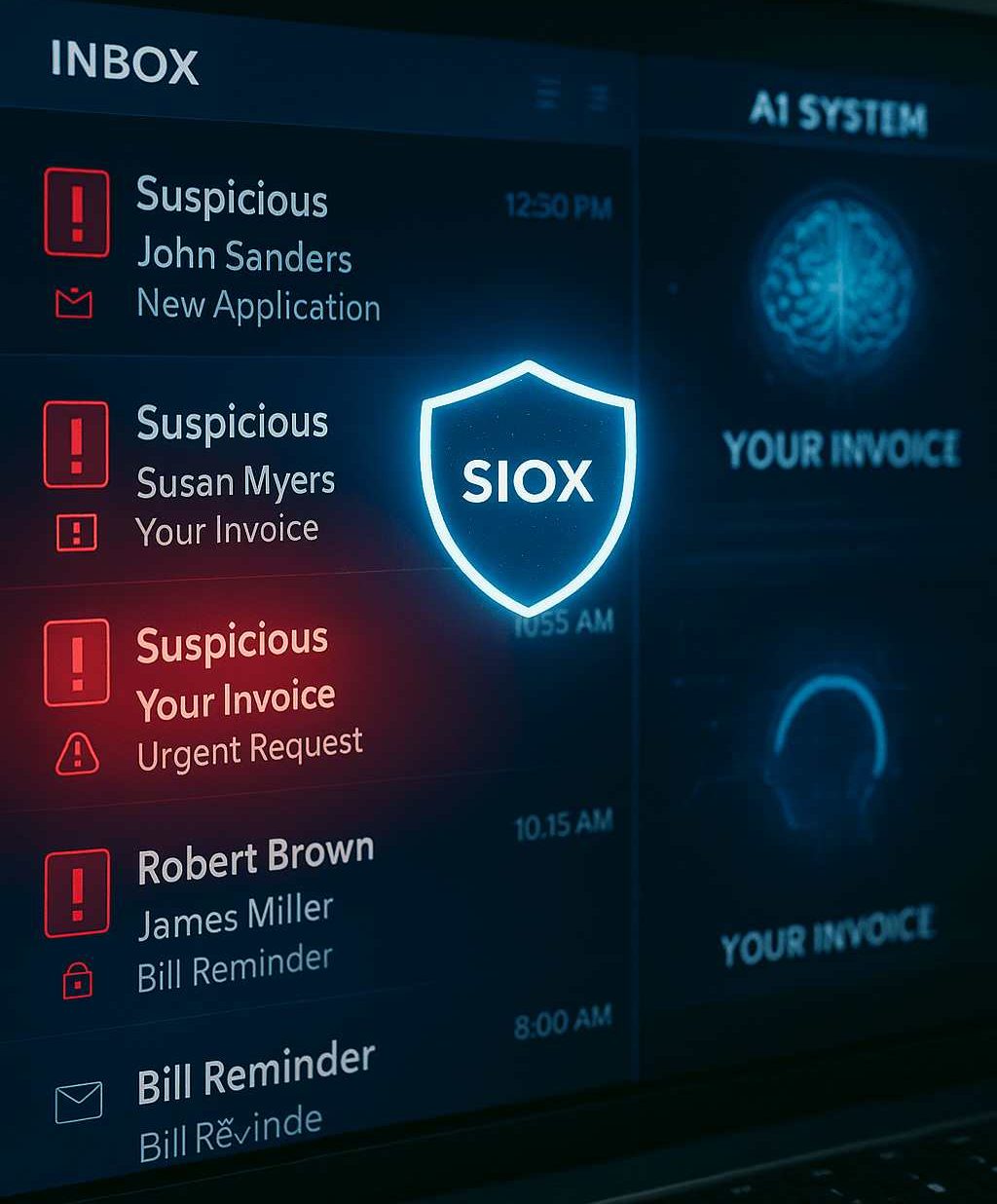
Phishing isn’t new, but it has evolved drastically. Gone are the days of obvious spam with bad grammar – today’s phishing emails are highly personalized and extremely convincing. Attackers leverage AI tools to craft flawless messages, often impersonating vendors, colleagues, or even CEOs. They scrape social media and breached data to insert details that make an email look legitimate and urgent. One careless click by an employee can hand attackers access to login credentials or initiate a malware infection. In fact, employees at smaller companies experience 350% more social engineering attacks than those at larger enterprises, as hackers target the human factor. How to Defend: Conduct regular phishing awareness training and simulated phishing tests so your staff can spot the red flags. Implement strict email security filters (ideally AI-powered) that flag or block suspicious messages. Also enforce multi-factor authentication (MFA) on all accounts – even if a password is stolen, MFA can prevent the attacker from using it. These steps, combined with a healthy dose of skepticism for unexpected requests, will greatly reduce phishing success.
- Ransomware-as-a-Service (RaaS)
Ransomware attacks continue to wreak havoc on businesses of all sizes – and they’ve become easier than ever for cybercriminals to launch. Thanks to the rise of “Ransomware-as-a-Service”, criminals can buy or rent ready-made ransomware kits on the dark web and deploy them with minimal skill. This means even an amateur hacker can attempt to encrypt your company’s data and demand a hefty ransom. SMBs are often seen as low-hanging fruit because they may lack specialized security staff, making them prime targets. The impact of a successful ransomware attack is devastating – downtime, lost data, potential extortion if sensitive info is stolen – and many small firms don’t recover. How to Defend: Focus on prevention and preparedness. Regularly back up your data and store backups offline or in secure cloud storage (so ransomware can’t reach them). Keep all systems and software updated with the latest patches to close vulnerabilities hackers exploit. Deploy reputable endpoint protection/EDR tools that can detect ransomware behavior (like encryption of many files at once) and stop it quickly. It’s also wise to have an incident response plan – know what steps you’ll take if ransomware strikes, such as isolating affected machines and contacting authorities. With robust defenses and a rehearsed plan, you can dramatically limit the damage from RaaS attacks.
- Vulnerable Smart Devices (IoT)
Many modern offices are filled with “smart” devices – from Wi-Fi routers and security cameras to smart printers and thermostats. These Internet-of-Things (IoT) devices often come with weak default passwords or outdated firmware, making them an attractive backdoor into your network. Attackers in 2025 are actively scanning for insecure IoT devices at small companies. Once they find one (say, a camera system with the default login), they can breach it and use it as a pivot point to access your main network. This kind of intrusion is stealthy – your traditional antivirus might not catch an attacker who slipped in through a smart thermostat! For example, a compromised smart thermostat could quietly provide a hacker a foothold in your business systems. How to Defend: Inventory all IoT devices in your environment and change any default credentials to strong, unique passwords. Keep firmware on these devices updated – if the manufacturer releases a security patch, apply it promptly. Network-wise, segregate IoT devices to their own network segment or VLAN, separate from your critical business systems (so even if an IoT device is breached, the attacker can’t reach the crown jewels easily). Adopting Zero Trust principles for devices is smart: no device, no matter how benign, is inherently trusted. Require device authentication and health checks if possible. By locking down IoT entry points, you eliminate an often-overlooked weak link in the security chain.
- Credential Theft and Weak Authentication
Why would a hacker go to the trouble of “hacking in” when they can simply log in with stolen credentials? Stolen passwords account for a huge number of breaches – one study found that 80% of hacking-related breaches involved lost or stolen credentials. For SMBs, this threat is very real: about 30% of small business data breaches are caused by compromised passwords. Cybercriminals use various tactics to steal logins – phishing emails that trick employees into typing credentials into a fake site, keylogger malware that records keystrokes, or buying leaked passwords from previous data breaches on the dark web. If your team reuses passwords or uses weak passwords, the risk multiplies. Once attackers have a valid username/password combo, they can walk right into your network or cloud services posing as a legitimate user. How to Defend: Strengthen your authentication processes. Start with a strong password policy (minimum length, complexity, and regular updates, or even better – use passphrases). Implement Multi-Factor Authentication (MFA) everywhere you can: VPNs, email, financial accounts, admin logins, etc. – this single step can block the vast majority of automated credential attacks. Educate your staff never to reuse corporate passwords elsewhere, and consider using a password manager to help them generate and manage unique passwords. On the backend, monitor for unusual login activity (like logins at odd hours or from foreign locations) and consider a dark web monitoring service that alerts you if any of your company emails/passwords show up for sale. By making it much harder for attackers to use stolen credentials, you remove one of their easiest paths in.
- Insider Threats (Mistakes or Malice)
Not all threats come from the outside. Insider threats – which can be unintentional or deliberate – are a significant concern for SMBs in 2025. An “insider” could be a current employee, a former staffer whose access wasn’t properly revoked, or even an unaware worker who accidentally exposes data. On the accidental side, employees might mishandle sensitive information, click on a malicious link, or use unauthorized apps that introduce malware. These mistakes can lead to data leaks or security gaps without any malicious intent. On the other side, a disgruntled or bribed employee might intentionally steal data, facilitate a breach, or sabotage systems. Small businesses often operate on trust and tight-knit teams, which is great – but it can also mean less oversight and formal security controls, giving insiders more opportunity to cause harm. How to Defend: First, limit insider access to “need-to-know”. Employees should only have access to the systems and data necessary for their jobs – this principle of least privilege reduces the damage any one account can do. Implement strict access controls and network segmentation so that an accountant, for example, can’t browse HR files and a marketing intern can’t download the entire customer database. Next, invest in monitoring and auditing: use tools or services that can log and alert on unusual internal activity (like large data transfers, use of admin accounts, or access to sensitive files at odd times). Many SMB-friendly security platforms can automatically flag anomalies that might indicate an insider issue. Security awareness training is also key – cultivate a culture where employees are vigilant and understand how serious seemingly small mistakes can be. Encourage reporting of anything suspicious (with no fear of blame). Lastly, when employees leave the company or change roles, promptly remove or adjust their access rights. By taking these steps, you can catch or prevent insider threats, whether they stem from carelessness or malice.
Conclusion: The cyber threats facing SMBs in 2025 are diverse, aggressive, and constantly evolving. However, the outlook isn’t hopeless – businesses that stay informed and take proactive steps can dramatically improve their security posture. Start by addressing the basics covered above: educate your employees, back up your data, update your software, secure your devices, and enforce strong authentication. Consider partnering with a reputable security provider (like a managed security service) if you don’t have the in-house resources to tackle these challenges alone. Cybersecurity is now fundamental to business survival. By understanding the top threats and implementing layered defenses, SMBs can not only withstand attacks but also discourage cybercriminals from targeting them in the first place. Stay vigilant, stay prepared, and your small business can safely navigate the big risks of the cyber world.
